ELITE YOUTH SPORTS

Building Champions For The Future

Join the region's premier youth sports club. Professional coaching, state-of-the-art facilities, and a pathway for every athlete.

ELITE YOUTH SPORTS

SCV Blackhawks

Join the region's premier youth sports club. Professional coaching, state-of-the-art facilities, and a pathway for every athlete.

We are excited to kick off a milestone year with the Santa Clarita Valley Youth Lacrosse Association (SCVYLA) and the SCV Blackhawks as we celebrate our 10-Year Anniversary! This upcoming Spring 2026 season is especially meaningful as we honor a decade of growing the game of lacrosse, building friendships, and creating unforgettable memories right here in the Santa Clarita Valley.


Every spring, the Blackhawks family gathers at Central Park and fields across the region to connect, compete, cheer, and share in the excitement of the fastest game on two feet. This year will be no different—with even more reasons to celebrate together!


A huge thank you goes out to our dedicated SCV Blackhawks coaches, who lead by example and serve as incredible role models for our players. Their enthusiasm, positivity, and focus on both fun and skill development create a welcoming environment that makes lacrosse a joy to play. Under their guidance, our teams play with heart and show outstanding sportsmanship both on and off the field, building strong skills and lifelong friendships alike.


We’re also deeply grateful for our Program Directors and Team Managers, who keep our teams running smoothly by coordinating schedules, managing TeamSnap communications, and ensuring everyone stays connected. Your behind-the-scenes dedication keeps the Blackhawks thriving, and we couldn’t do it without you.


As a nonprofit, the SCV Blackhawks thrive thanks to the time and support our volunteers generously provide. To our Board Members, Team Managers, Program Directors, and Coaches—thank you for all you do to make this season possible. Your contributions continue to make a lasting impact both on the field and in the lives of every player and family involved.


Here’s to a special Spring 2026 season—a celebration of 10 years of growth, friendships, and the joy of lacrosse. Together, let’s make this anniversary year one to remember!

50+

Championships Won

1200+

Active Athletes

100%

College Placement

Recent News & Updates

Stay up to date with club announcements and scores.
November 10, 2024
Defense is critical to keeping the opposing team from scoring and creating turnovers that lead to offensive opportunities. Effective defenders need strong positioning, quick reflexes, and a strategic mindset. Let’s explore key defensive techniques that can elevate a player’s game. 1. Positioning and Body Control Good positioning prevents attackers from getting too close to the goal. Defense in lacrosse is about staying between the opponent and the goal while using footwork to keep up with their movements. Key Tips : Stay Low : Keep a low, athletic stance to maintain balance and agility. Watch the Hips : An attacker’s hips reveal their true direction. By focusing on their hips, defenders can avoid being tricked by fake moves. Maintain Distance : Position yourself an arm’s length away from the attacker to avoid fouls while staying close enough to make a play. 2. Stick Checking Stick checking involves using the defender’s stick to disrupt an opponent’s control of the ball. However, checks need to be controlled to avoid fouls. Key Tips : Poke Checks : Use quick, controlled jabs toward the opponent’s stick to dislodge the ball. Lift Checks : A well-timed lift check can prevent an opponent from shooting or passing. Avoid Slashing : Only check within five yards of the ball and avoid swinging excessively, which can lead to penalties. 3. Footwork and Agility Defense is as much about footwork as it is about stick work. Quick, lateral movements and constant foot positioning are essential for keeping up with attackers. Key Tips : Shuffle, Don’t Cross : Keep feet shoulder-width apart and shuffle sideways rather than crossing your feet, which maintains balance. Recover Quickly : If beaten on a dodge, regain position with quick footwork to stay in the play. Conditioning : Footwork drills and conditioning are essential for building the endurance needed for a game’s duration. 4. Communication Good defense is a team effort, and communication is vital for preventing scoring opportunities. Defenders should communicate who’s marking whom, call out screens, and assist each other. Mastering these techniques makes defenders invaluable to their team, as they prevent goals and create chances for their offense. In our next article, we’ll focus on building the athletic foundation every player needs.
October 28, 2024
Mastering stick skills is essential for every lacrosse player, as the stick becomes an extension of the body on the field. In this article, we’ll break down the four core skills that every player, regardless of position, must develop: cradling, passing, catching, and shooting. 1. Cradling Cradling is the technique used to keep the ball secure in the pocket of the stick while moving. By rotating the stick in the hands, players create a centripetal force that keeps the ball steady as they dodge opponents or move downfield. Key Tips : Grip and Motion : Hold the stick with your top hand near the head and your bottom hand near the butt end. Use a gentle wrist motion to cradle; it’s like flipping a wrist in a smooth, rhythmic motion. Practice in Motion : Beginners should start cradling while stationary, then progress to walking and eventually running, maintaining control at different speeds. 2. Passing Passing is a critical skill for moving the ball efficiently and creating scoring opportunities. A good pass is accurate, controlled, and timed well with teammates’ movement. Key Tips : Hand Placement : Place your top hand about a third of the way down from the head of the stick for control and accuracy. Follow Through : Snap your wrist and follow through in the direction of the pass for accuracy and speed. Practice on the Move : Passing in motion simulates game conditions. Try passing while jogging or after dodging an imaginary opponent. 3. Catching Catching may seem simple, but it’s one of the most vital skills for game flow. Players should “give” with the stick as the ball makes contact, helping to absorb the ball’s force and preventing it from bouncing out. Key Tips : Focus on Hand Position : Keep your hands up and ready to receive the pass, making it easier to control the ball. Eyes on the Ball : Always track the ball from the passer’s stick to your own. Soft Hands : Don’t fight the ball; let it come to the pocket as you slightly pull the stick back on impact. 4. Shooting Shooting is about accuracy and power, aiming to get the ball past the goalie. Players should focus on mechanics and accuracy before trying to add speed. Key Tips : Hand Position and Stance : Stand with feet shoulder-width apart, place your top hand near the head of the stick, and bring your bottom hand closer to the butt end for leverage. Torque and Snap : Rotate your body and snap your wrists to generate power, aiming for specific spots in the net. Practice Targeted Shots : Use cones or markers in the goal to practice shooting accuracy, building confidence and precision over time. Building these stick skills takes dedication, but mastering them is fundamental for effective gameplay. Next, we’ll cover essential defensive techniques to round out every player’s skills.
October 28, 2024
Choosing the right position in lacrosse is a combination of natural skill, personal preference, and physical attributes. Here’s a breakdown of what each position requires, so players can better decide where they might excel on the field. Attack Best For : Players with quick reflexes, strong hand-eye coordination, and confidence in their stick skills. Attack players should be comfortable under pressure and enjoy taking on defenders one-on-one. Key Skills : Shooting accuracy, quick footwork, and passing. Attackers are often responsible for scoring, so they need to work well in tight spaces and have a natural sense of timing. Attributes : Good attackers are often agile, fast, and unafraid of close defensive pressure. Midfield Best For : All-around players who have stamina, enjoy running, and can transition seamlessly between offense and defense. Midfielders need to be versatile and adapt quickly to changes on the field. Key Skills : Ball-handling, speed, endurance, and defensive awareness. Midfielders are the core of the team, as they play a crucial role in both scoring and defending. Attributes : Stamina and resilience. Because they cover the entire field, midfielders benefit from being in top physical condition. Defense Best For : Players who are strong, strategic, and enjoy reading the game. Defenders should be patient, with a good sense of timing for body checks and positioning. Key Skills : Foot positioning, stick handling for checks, and communication. Good defenders understand how to keep attackers at bay and aren’t afraid of physical play. Attributes : Strength, size, and mental resilience. Effective defenders use their body effectively to disrupt offensive plays without fouling. Goalie Best For : Players with quick reflexes, fearlessness, and strong leadership skills. Goalies need the confidence to block hard shots and be vocal about defensive positioning. Key Skills : Hand-eye coordination, anticipation, and communication. Goalies must focus on tracking the ball, making quick saves, and directing teammates. Attributes : Mental toughness and focus. Goalies play under intense pressure, and they need to stay calm even during fast-paced, high-stakes situations. How to Choose As players develop their skills, they may naturally gravitate towards a position that feels right. For beginners, it’s best to try each position and get a feel for what comes naturally. Coaches can also provide guidance based on a player’s physical attributes and skills. By finding the right fit, players can maximize their strengths and fully enjoy the game. Keep these tips in mind as you or your child explore different positions on the field. Stay tuned for the next part of our Lacrosse 101 series, where we’ll dive into the essential skills each player needs to master.

Latest News

Stay up to date with club announcements and scores.
November 10, 2024
Defense is critical to keeping the opposing team from scoring and creating turnovers that lead to offensive opportunities. Effective defenders need strong positioning, quick reflexes, and a strategic mindset. Let’s explore key defensive techniques that can elevate a player’s game. 1. Positioning and Body Control Good positioning prevents attackers from getting too close to the goal. Defense in lacrosse is about staying between the opponent and the goal while using footwork to keep up with their movements. Key Tips : Stay Low : Keep a low, athletic stance to maintain balance and agility. Watch the Hips : An attacker’s hips reveal their true direction. By focusing on their hips, defenders can avoid being tricked by fake moves. Maintain Distance : Position yourself an arm’s length away from the attacker to avoid fouls while staying close enough to make a play. 2. Stick Checking Stick checking involves using the defender’s stick to disrupt an opponent’s control of the ball. However, checks need to be controlled to avoid fouls. Key Tips : Poke Checks : Use quick, controlled jabs toward the opponent’s stick to dislodge the ball. Lift Checks : A well-timed lift check can prevent an opponent from shooting or passing. Avoid Slashing : Only check within five yards of the ball and avoid swinging excessively, which can lead to penalties. 3. Footwork and Agility Defense is as much about footwork as it is about stick work. Quick, lateral movements and constant foot positioning are essential for keeping up with attackers. Key Tips : Shuffle, Don’t Cross : Keep feet shoulder-width apart and shuffle sideways rather than crossing your feet, which maintains balance. Recover Quickly : If beaten on a dodge, regain position with quick footwork to stay in the play. Conditioning : Footwork drills and conditioning are essential for building the endurance needed for a game’s duration. 4. Communication Good defense is a team effort, and communication is vital for preventing scoring opportunities. Defenders should communicate who’s marking whom, call out screens, and assist each other. Mastering these techniques makes defenders invaluable to their team, as they prevent goals and create chances for their offense. In our next article, we’ll focus on building the athletic foundation every player needs.
October 28, 2024
Mastering stick skills is essential for every lacrosse player, as the stick becomes an extension of the body on the field. In this article, we’ll break down the four core skills that every player, regardless of position, must develop: cradling, passing, catching, and shooting. 1. Cradling Cradling is the technique used to keep the ball secure in the pocket of the stick while moving. By rotating the stick in the hands, players create a centripetal force that keeps the ball steady as they dodge opponents or move downfield. Key Tips : Grip and Motion : Hold the stick with your top hand near the head and your bottom hand near the butt end. Use a gentle wrist motion to cradle; it’s like flipping a wrist in a smooth, rhythmic motion. Practice in Motion : Beginners should start cradling while stationary, then progress to walking and eventually running, maintaining control at different speeds. 2. Passing Passing is a critical skill for moving the ball efficiently and creating scoring opportunities. A good pass is accurate, controlled, and timed well with teammates’ movement. Key Tips : Hand Placement : Place your top hand about a third of the way down from the head of the stick for control and accuracy. Follow Through : Snap your wrist and follow through in the direction of the pass for accuracy and speed. Practice on the Move : Passing in motion simulates game conditions. Try passing while jogging or after dodging an imaginary opponent. 3. Catching Catching may seem simple, but it’s one of the most vital skills for game flow. Players should “give” with the stick as the ball makes contact, helping to absorb the ball’s force and preventing it from bouncing out. Key Tips : Focus on Hand Position : Keep your hands up and ready to receive the pass, making it easier to control the ball. Eyes on the Ball : Always track the ball from the passer’s stick to your own. Soft Hands : Don’t fight the ball; let it come to the pocket as you slightly pull the stick back on impact. 4. Shooting Shooting is about accuracy and power, aiming to get the ball past the goalie. Players should focus on mechanics and accuracy before trying to add speed. Key Tips : Hand Position and Stance : Stand with feet shoulder-width apart, place your top hand near the head of the stick, and bring your bottom hand closer to the butt end for leverage. Torque and Snap : Rotate your body and snap your wrists to generate power, aiming for specific spots in the net. Practice Targeted Shots : Use cones or markers in the goal to practice shooting accuracy, building confidence and precision over time. Building these stick skills takes dedication, but mastering them is fundamental for effective gameplay. Next, we’ll cover essential defensive techniques to round out every player’s skills.
October 28, 2024
Choosing the right position in lacrosse is a combination of natural skill, personal preference, and physical attributes. Here’s a breakdown of what each position requires, so players can better decide where they might excel on the field. Attack Best For : Players with quick reflexes, strong hand-eye coordination, and confidence in their stick skills. Attack players should be comfortable under pressure and enjoy taking on defenders one-on-one. Key Skills : Shooting accuracy, quick footwork, and passing. Attackers are often responsible for scoring, so they need to work well in tight spaces and have a natural sense of timing. Attributes : Good attackers are often agile, fast, and unafraid of close defensive pressure. Midfield Best For : All-around players who have stamina, enjoy running, and can transition seamlessly between offense and defense. Midfielders need to be versatile and adapt quickly to changes on the field. Key Skills : Ball-handling, speed, endurance, and defensive awareness. Midfielders are the core of the team, as they play a crucial role in both scoring and defending. Attributes : Stamina and resilience. Because they cover the entire field, midfielders benefit from being in top physical condition. Defense Best For : Players who are strong, strategic, and enjoy reading the game. Defenders should be patient, with a good sense of timing for body checks and positioning. Key Skills : Foot positioning, stick handling for checks, and communication. Good defenders understand how to keep attackers at bay and aren’t afraid of physical play. Attributes : Strength, size, and mental resilience. Effective defenders use their body effectively to disrupt offensive plays without fouling. Goalie Best For : Players with quick reflexes, fearlessness, and strong leadership skills. Goalies need the confidence to block hard shots and be vocal about defensive positioning. Key Skills : Hand-eye coordination, anticipation, and communication. Goalies must focus on tracking the ball, making quick saves, and directing teammates. Attributes : Mental toughness and focus. Goalies play under intense pressure, and they need to stay calm even during fast-paced, high-stakes situations. How to Choose As players develop their skills, they may naturally gravitate towards a position that feels right. For beginners, it’s best to try each position and get a feel for what comes naturally. Coaches can also provide guidance based on a player’s physical attributes and skills. By finding the right fit, players can maximize their strengths and fully enjoy the game. Keep these tips in mind as you or your child explore different positions on the field. Stay tuned for the next part of our Lacrosse 101 series, where we’ll dive into the essential skills each player needs to master.

Community

Join The Conversation

Follow us on social media to see photos from the weekend, player highlights, and more. Tag us #SportsClubTemplate to be featured!

NEW SEASON STARTS SOON - REGISTER TODAY!

REGISTRATION

Sat, Feb 6, 2026


Cochrane BU11-1

TODAY

7:30 PM


Haultain Memorial School Court 2

Sat, Feb 6, 2026


Cochrane BU11-1

51

47


Haultain Memorial School Court 2

Sat, Feb 6, 2026


Cochrane BU11-1

Final


Haultain Memorial School Court 2

About Our SOCCER Program

More Than a Club.

A Soccer Community.

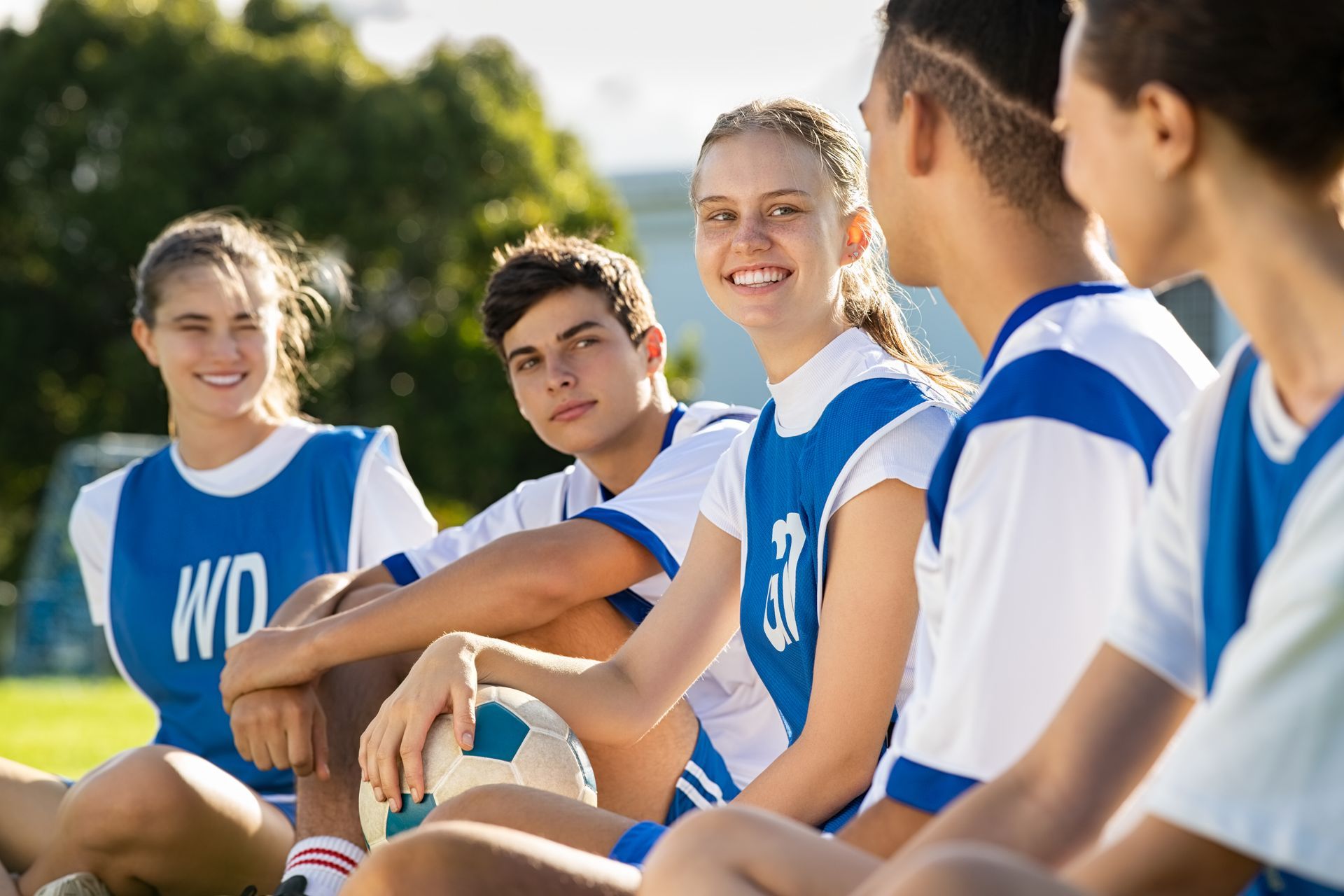
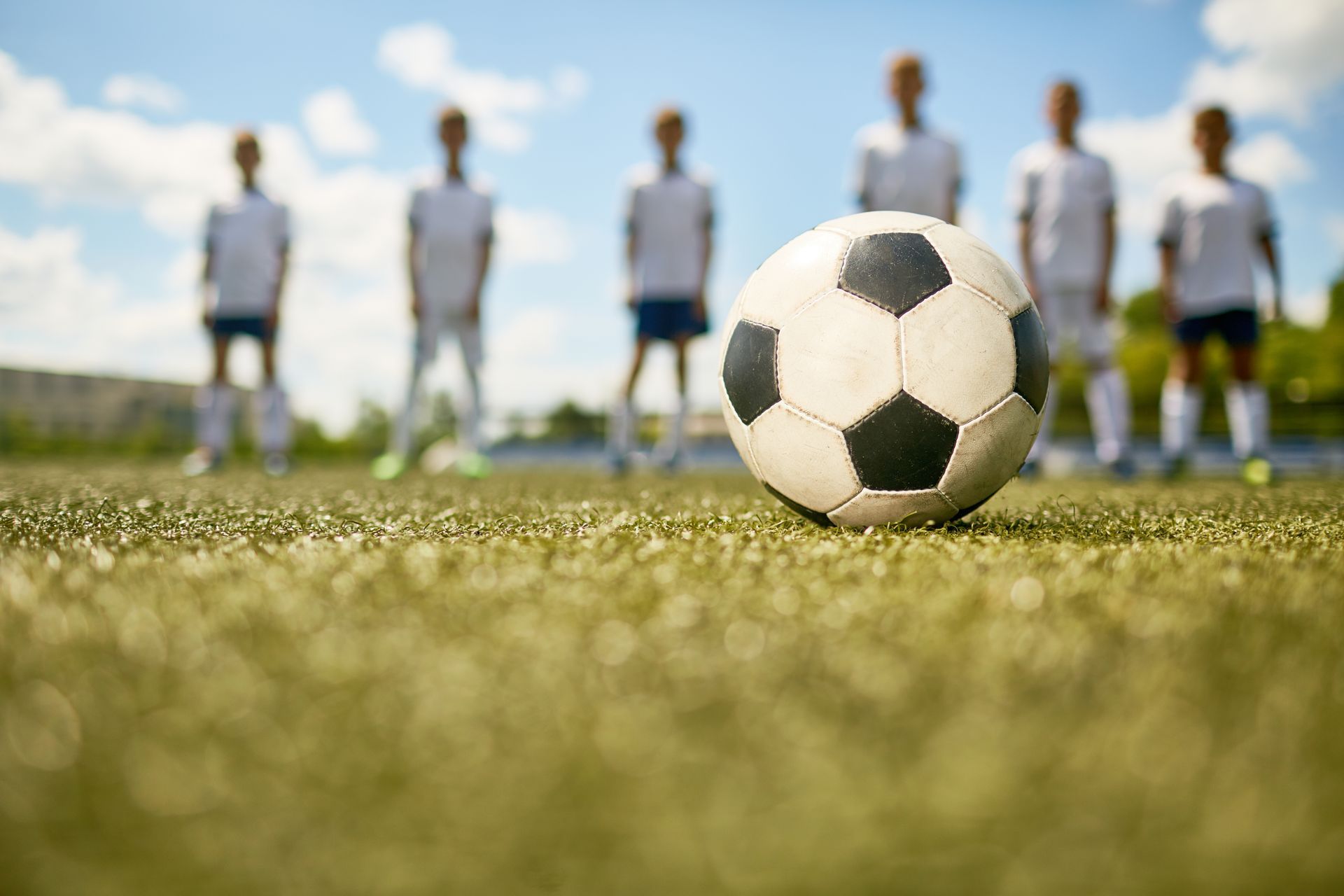
We are a passionate soccer organization dedicated to developing players at every level. Our mission is to create a positive, competitive environment where athletes learn technical skill, tactical awareness, and lifelong values such as teamwork, discipline, and respect.


With experienced coaches, structured programs, and a player-first approach, we focus on helping each athlete grow both on and off the field. Whether your goal is fun, fitness, or high-level competition, we provide the foundation to succeed.

registration

Register. Train. Compete.

Joining our soccer programs is quick and easy. We offer seasonal registrations for youth, competitive teams, and adult leagues, with flexible options to match your experience and goals.

Age-appropriate training programs

Professional coaching staff

Competitive league and match play

Safe, supportive environment

SCHEDULES

Game & Training Schedules

Stay up to date with match days, practice times, and special events. Our schedules are updated regularly so players, parents, and fans never miss a moment of the action.

Weekly training schedules  |  League and tournament match dates  |  Home and away game details

CONTACT US

Get in Touch

Have questions about programs, registrations, or tryouts? We’re here to help. Reach out to our team and we’ll get back to you as soon as possible.

Location: [City, State]

Email: info@yourbaseballsite.com

Phone: (000) 000-0000

Send Us a Message

Contact Us

Proudly Supported By

Sport Check

Gatorade

Nike

Local Bank

Auto Dealer